Benefits of Professional Laundry for Special Items
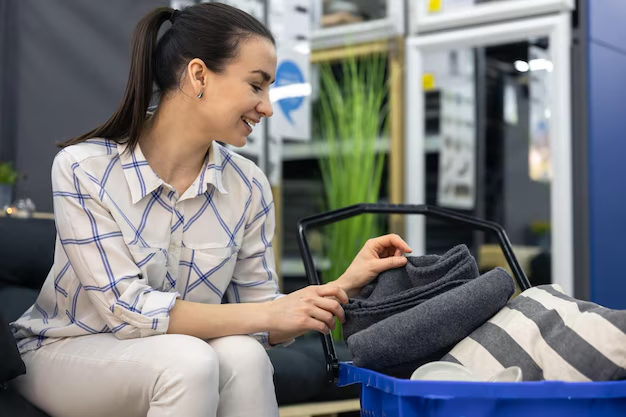
Blog Table of Contents Benefits of Professional Laundry for Special Items When clothes come out of a home washer looking “clean” but still feel dull, slightly stiff, or imperfectly pressed, the difference usually lies in the process. The benefits of professional laundry for special items extend far beyond surface-level cleanliness. They involve controlled fabric handling, calibrated equipment, and expert stain treatment designed to protect garments long-term. Delicate fabrics, structured garments, formal wear, and premium bedding require more than a standard wash cycle. Understanding the technical differences between professional care and household washing helps preserve both your wardrobe and your investment. The Real Limitations of Home Washing Home washing machines are built for general-purpose use. Even with multiple settings, they cannot fully adapt to the microscopic structure of different fibers. Over time, repeated home washing often leads to fading, shrinkage, weakened elastic, lingering stains, and excess lint buildup. These issues typically develop gradually due to friction, inconsistent heat, overloading, and aggressive spin cycles. When comparing professional laundry vs home washing, the difference is precision. Household systems prioritize convenience, while professional systems are engineered for fiber preservation and controlled cleaning environments. What Defines Professional Laundry Care? Professional garment care is a structured cleaning system grounded in textile science. Every stage — from inspection to finishing — is adjusted according to fabric composition, garment construction, and condition. The process generally includes pre-cleaning inspection, targeted stain analysis, fabric-based load separation, calibrated water or solvent exposure, controlled drying, and structured finishing. This process-driven approach forms the foundation of the benefits of professional laundry for special items, particularly when garments cannot tolerate standard washing conditions. Fabric Protection and Fiber Preservation The internal structure of fabric determines how it reacts to heat, moisture, and mechanical stress. Natural fibers such as wool and silk behave very differently from synthetics or blended materials. Professional systems regulate temperature, mechanical action, and drying time to maintain fiber alignment and prevent shrinkage. Repeated high-heat drying at home is one of the most common causes of fiber breakdown. Over time, uncontrolled heat weakens elastic fibers, alters drape, and reduces softness. The benefits of professional laundry for special items become clear when garments maintain their original structure and feel after repeated cleaning. Advanced Stain Identification and Treatment Effective stain removal depends on accurate identification. Oil-based stains, protein residues, and dye transfers require different treatment strategies. Professional stain removal services rely on pre-treatment before washing and use targeted chemistry suited to the stain type. In home settings, stains are often treated after washing, which can permanently set them. Proper timing and controlled application significantly improve results. For delicate textiles and formal garments, expert stain handling is one of the strongest benefits of professional laundry for special items. Dry Cleaning for Special Garments Some fabrics should not be exposed to water at all. Structured suits, embellished dresses, and certain natural fibers respond better to solvent-based systems. Dry cleaning for special garments minimizes fiber swelling, distortion, and color bleeding. It reduces mechanical agitation and protects tailored construction. When evaluating professional laundry for delicate fabrics, moisture sensitivity is often the deciding factor. Solvent cleaning helps maintain garment integrity in high-value or structured pieces. Fabric-Specific Load Separation Improper load mixing is a major contributor to garment damage. Heavy fabrics can abrade lighter ones, and color transfer can occur when sorting is inconsistent. Professional systems separate items by fabric type, weight, and care requirements. This reduces friction and prevents unnecessary stress. A fabric protection laundry service operates under calibrated load capacity, helping extend garment longevity through controlled mechanical exposure. Controlled Drying and Moisture Regulation Excessive dryer heat is a leading cause of premature wear. Professional systems regulate airflow and temperature to prevent over-drying. Over-drying weakens fibers and shortens the lifespan of elastic and knit materials. Controlled moisture levels allow fabrics to retain flexibility and structure. This regulated environment directly supports garment longevity and reinforces the measurable benefits of professional laundry for special items. Professional Finishing and Shape Retention Cleaning alone does not restore garment structure. Finishing plays a critical role in overall appearance and longevity. Professional finishing may include steam pressing and structured reshaping. Steam relaxes fibers gently, allowing them to return to natural alignment without compressive damage. Structured garments such as blazers or formal dresses maintain sharper lines and improved drape under controlled finishing conditions. This precision enhances the visible results of professional care. Professional Laundry vs Home Washing: A Practical Comparison Professional laundry vs home washing ultimately comes down to process control. Home systems rely on preset cycles and limited load separation. Professional systems use fabric-based calibration, targeted stain chemistry, and precision drying methods. Home washing works well for everyday basics. However, high-value and delicate items benefit from structured systems that prioritize long-term preservation over speed. What Most Home Washers Overlook Garment deterioration is rarely caused by one mistake. It typically results from repeated exposure to: High-heat drying Excessive mechanical agitation Overcrowded drum capacity Inconsistent detergent concentration Each of these factors weakens fiber bonds at a microscopic level. Over time, this leads to thinning, fading, and distortion. The long-term benefits of professional laundry for special items stem from minimizing these stressors through calibrated processes. Why Delicate Fabrics Require Professional Attention Professional laundry for delicate fabrics is especially beneficial for silk, wool, cashmere, linen, embellished garments, and structured formalwear. These textiles are sensitive to uncontrolled agitation and temperature fluctuations. The more intricate the construction, the greater the need for precision-based handling. Proper cleaning methods protect texture, elasticity, and structural integrity. This reduces the risk of irreversible damage. Making Informed Garment Care Decisions The benefits of professional laundry for special items extend beyond visible cleanliness. They include fiber preservation, advanced stain treatment, calibrated drying, and structured finishing — all contributing to improved garment longevity. Home washing remains practical for everyday clothing. However, delicate fabrics and high-value pieces require greater precision. For individuals evaluating garment care options in Dubai, choosing a process-driven, fabric-focused provider ensures that special items receive the technical attention they require. Professional care is not simply about
Travel Laundry Tips to Keep Clothes Fresh

Blog Table of Contents Travel Laundry Tips to Keep Clothes Fresh Travelling often looks effortless, but laundry is one of the first everyday tasks to become frustrating. Whether you’re away for a short business trip or an extended stay, managing clean clothes without overpacking requires a clear approach. Based on hands-on experience with frequent travellers and households, we’ve put together these travel laundry tips to help you stay organised, comfortable, and fresh—without wasting time or energy. Quick Summary Choose fabrics that resist odour and dry quickly Pack a few lightweight laundry essentials instead of extra clothes Freshen garments between wears to reduce washing Hand wash small loads regularly using simple techniques Know when it makes sense to use local or professional laundry services Why Laundry Becomes a Travel Problem Faster Than Expected Laundry feels straightforward at home because routines and equipment are familiar. When travelling, small challenges quickly stack up. Time pressure Busy schedules leave little room for trial and error Limited facilities No washing machines, poor sink drainage, shared spaces Service costs Hotel laundry can be expensive for everyday items Climate issues Heat and humidity slow drying and increase odour Mental load Constant decisions—wash now, freshen later, or rewear—become tiring These challenges affect many travellers, including professionals with tight schedules, families managing multiple outfits, students travelling on a budget, and those responsible for uniforms or linens. Travel Laundry Tips: A Simple System Random sink washing rarely holds up on longer trips. We’ve found that treating laundry while travelling as a simple system makes it far more manageable. The Four-Part Approach Prevent odour before it starts Freshen clothes without washing when possible Wash efficiently when cleaning is needed Outsource selectively when time matters This keeps laundry predictable instead of reactive. Travel Laundry Tips to Prevent Odour Choose the Right Fabrics Fabric choice has the biggest impact on how often you need to wash. Merino wool: Naturally resists odour and can be worn multiple times Lightweight synthetics: Dry quickly and are easy to hand wash Avoid: Heavy cotton, jeans, and thick knits that hold moisture These are consistently the best fabrics for travel to avoid odour. Use Smart Layering Wear thin base layers to absorb sweat Air outer garments overnight to release moisture and smells Separate Clean and Worn Clothing Use a dedicated laundry bag so worn items don’t affect clean clothes Travel Laundry Essentials Worth Packing Knowing what detergent to pack for travel laundry—and which tools actually help—can reduce both luggage weight and washing time. Compact Washing Tools Laundry sheets or small amounts of detergent powder that dissolve easily A dry bag or Scrubba-style washing bag A flat travel drain stopper for proper soaking These items turn almost any bathroom into a workable washing space. Stain Control Essentials Stain pens, soap bars, or wipes Treat marks immediately rather than waiting Decide early whether an item needs spot cleaning or a full wash Early treatment prevents stains from setting and reduces unnecessary washing. How to Hand Wash Clothes While Travelling Where to Wash Hotel sink with stopper: The most common option Dry bag: Cleaner and more controlled, especially in basic rooms Sturdy zip or freezer bag: A simple backup solution All of these work well for washing clothes in a hotel sink or bathroom. How to Wash Properly When hand washing clothes while travelling, technique matters more than effort. Soak clothes for 15–30 minutes, or overnight if heavily worn Dissolve detergent in warm water before adding garments Gently squeeze and massage fabric rather than scrubbing Rinse two to three times to prevent detergent odour This method is particularly useful for longer trips where sink laundry becomes routine. Wash Little and Often Small, regular loads: Dry faster Prevent odour build-u Take less overall time than large washes Travel Laundry Tips for Drying Clothes in a Hotel Room Remove Water First Roll washed clothes in a towel and press firmly to absorb excess moisture Speed Up Drying Hang garments near airflow from air conditioning or fans Use heated towel rails or railings if available A hair dryer can help with final drying or crease reduction These steps are essential if you need to dry clothes quickly in a hotel room. Freshening Clothes Without Washing Washing less often is one of the most effective travel laundry tips. Air and Steam Hang clothes overnight in open air Use steam from a hot shower to relax fibres and reduce odou Control Odour at the Source Underarm odour-control products reduce smell transfer to clothing Base layers protect outer garments This makes it easier to keep clothes fresh while travelling without daily washing. Travel Laundry Tips: DIY vs Laundry Services Assess Your Options Hotel laundry: Convenient but often costly and high-heat Local laundrettes: Affordable and efficient for longer stays Accommodation with laundry facilities: Ideal for resetting your wardrobe What to Outsource Everyday, durable items when time is limited Avoid outsourcing delicate or shrink-prone garments Business Travel Considerations Check whether laundry costs are reimbursable Balance time saved against cost These travel laundry tips for business travellers help protect both clothing and schedules. Travel Laundry Tips by Traveller Type Busy Professionals Minimal wardrobes Predictable routines Selective outsourcing Families Frequent small loads Simple stain-control systems Clear separation of clean and worn clothes Students and Young Adults Budget-friendly hand washing Local laundrettes Fashion-Conscious Travellers Low-heat care Gentle handling Avoiding aggressive washing Common Travel Laundry Mistakes Letting stains sit too long Overwashing instead of freshening Scrubbing too aggressively Drying heavy garments poorly Avoiding these mistakes saves time and extends garment life. Building a Laundry Routine for Long Trips If you’re wondering how to wash clothes while travelling for weeks, routine matters more than tools. Make laundry part of an evening habit Practise hand washing to become faster and more efficient Periodically reset your wardrobe using proper facilities FAQ How often should I wash clothes while travelling? Most travellers can wash small items every one to two days and freshen outer layers between wears. This reduces drying time and prevents odour build-up. What’s
Family Laundry Systems for Busy Families in Dubai

Blog Table of Contents Family Laundry Systems for Busy Families in Dubai Batch strategies, sorting shortcuts, and pickup options to free up your week Laundry quietly eats up hours every week for busy families—especially in Dubai. Between school uniforms, workwear, sports kits, towels affected by heat and humidity, and dust that settles fast, laundry never really feels “done.” From what we see across Dubai households, the issue isn’t the washing itself. It’s the lack of a family laundry system. When laundry decisions happen all day, every day—Should I wash this now? Can this wait? Whose clothes are these?—the mental load becomes heavier than the physical work. A clear, repeatable system reduces time spent washing, sorting, and thinking about laundry. With smarter batching, fewer decisions, and selective outsourcing, laundry becomes predictable instead of overwhelming. Why Laundry Feels Never-Ending for Families in Dubai For most families, laundry feels endless because it’s reactive. Small, half-filled loads run throughout the week Sorting happens repeatedly instead of once Clean clothes pile up waiting to be folded Laundry spills into bedrooms, hallways, and living areas In many Dubai homes—especially apartments—space is limited. When laundry doesn’t have a defined flow, it quickly becomes visual clutter that adds stress. Parents usually become the default laundry managers. Even when kids or partners “help,” one person still carries responsibility for timing, sorting, and completion. The result is constant mental fatigue, not just physical work. What a Family Laundry System Actually Is A family laundry system isn’t just a routine—it’s a defined flow. It sets clear rules for: When laundry happens What gets washed together Who is responsible at each stage Where clothes go before and after washing Unlike flexible routines that rely on motivation, systems remove daily decisions. Everyone knows what to do, without reminders. Simple Laundry System Flow 1. Clothes go into the correct basket immediately 2. Full baskets are washed on fixed days 3. Laundry moves from washer → dryer → storage once 4. Responsibility ends at a clear handoff point This predictability is what saves time and reduces stress—especially for working parents and large families. Batch Laundry Strategies That Cut Weekly Loads Batching is one of the most effective ways to reduce laundry time. Instead of washing reactively, batching allows families to run fewer, fuller loads. Machines work better, drying time improves, and laundry stops interrupting the day. This matters in Dubai, where frequent outfit changes due to heat and activity can easily double laundry volume. Smart Batch Grouping That Works Group laundry by use, not just color: School uniforms & workwear Sportswear and activity clothes Towels and bedding Everyday casual wear Clothes worn lightly can wait. Truly dirty items move into scheduled batches. This is one of the simplest ways to manage laundry for a big family without daily overload. Read: extend the life of everyday workwear Sorting Shortcuts That Save Real Time Sorting is where most time disappears. The biggest time-saver is eliminating sorting decisions before laundry day. Family Laundry Basket Setup A simple basket system prevents chaos: Individual baskets in bedrooms for daily clothes One shared basket for towels One basket for uniforms or workwear When clothes are pre-sorted at the source, loads are ready to wash immediately—no floor sorting, no guesswork. Sock & Small-Item Control Small items create outsized frustration. Use mesh bags for each child’s socks Wash socks together, not loose Keep one communal sock drawer These shortcuts reduce missing items, tangles, and folding time. Laundry Routines That Work With Kids Laundry becomes easier when kids are part of the system—not an obstacle to it. The goal isn’t perfect folding. It’s reducing friction. Age-appropriate responsibility works only when rules are clear: Clothes that aren’t sweaty or dirty can be worn again Pajamas, hoodies, and jeans don’t need daily washing If it’s not in the basket, it doesn’t get washed Teaching wear-again habits early is one of the most effective ways to reduce laundry loads. A Weekly Laundry Schedule Example for Busy Families Here’s a realistic schedule that works well for many Dubai households: Sample Time-Saving Weekly Plan Monday: School uniforms Wednesday: Sportswear & towels Friday or Saturday: Bedding and family clothes Daily: Spot washing only when truly needed Dual-income households often benefit from one midweek batch and one weekend batch. Fixed days prevent laundry from spreading into every evening. Quick Reset Plan for Overwhelming Weeks Even the best systems fall behind during travel, exams, or peak work weeks. A reset plan helps you regain control without doing everything. Laundry Reset Checklist Wash only priority items first Skip folding—use baskets temporarily Batch remaining loads over two days Resume the normal schedule next week The goal is restoring flow, not perfection. When Outsourcing Laundry Makes Sense Outsourcing isn’t about convenience alone—it’s about reducing mental load. For many Dubai families, a hybrid system works best. Laundry Pickup for Busy Families in Dubai Laundry pickup works especially well for: Weekly towels and bedding School uniforms Bulk family wash & fold Using pickup consistently—not just in emergencies—keeps home systems lighter and more manageable. Services like Just Clean Laundry often fit best as a support layer within an existing routine, rather than replacing it entirely. Laundry Systems for Different Dubai Lifestyles Different households need different approaches: Busy professionals Minimal sorting, scheduled pickup, fewer loads Families with kids Batching, clear rules, shared responsibility Students & young adults Affordable batching, quick turnaround Hospitality & home businesses Rotation systems and professional cycles Fashion-conscious households Separation and expert care for delicates Common Laundry Habits That Waste Time Most time loss comes from habits, not volume: Washing clothes after one short wear Running half-empty machines Folding everything immediately Lacking fixed laundry days Small habit changes can save hours each week. Key Takeaways A strong family laundry system replaces effort with structure. Fewer decisions reduce stress Batching cuts weekly laundry time Clear rules prevent overload Strategic outsourcing supports busy lives Laundry doesn’t have to consume your schedule. With the right system, it becomes predictable—and manageable. Need Support in Dubai? At Just Clean Laundry,
How to Wash Delicate Fabrics Without Ruining Them

Blog Table of Contents How to Wash Delicate Fabrics Without Ruining Them Modern wardrobes include many delicate pieces—silk blouses, wool sweaters, lace dresses, and fine lingerie. These garments look elegant but often leave people unsure about proper care. Should you wash them at home or trust professionals? Drawing from years of hands-on garment care experience, this guide explains how to clean delicate fabrics safely, avoid common mistakes, and know when professional cleaning is the smarter choice. What Makes Clothing “Delicate” Delicacy involves more than fabric type alone. Several factors determine how fragile a garment truly is. Fabric, Construction, and Details Silk, wool, and lace react strongly to water, heat, and agitation, but other elements matter just as much: Construction Fine stitching, loose weaves, bonded seams Embellishments Beads, sequins, embroidery, lace panels Age Vintage or older garments weaken over time Many fast-fashion items use thinner fibers or blended synthetics. They may appear durable but often break down faster when washed incorrectly. Understanding Care Labels Care labels aim to limit manufacturer liability rather than fully educate users: Hand wash Signals fiber sensitivity Delicate cycle Assumes small loads and proper protection Dry clean only Sometimes conservative, sometimes essential Any warning about heat, agitation, or shrinkage deserves close attention. Choosing the Right Cleaning Method Using the wrong washing method causes most garment damage. When Hand Washing Works Hand washing suits: Lightweight silk tops Lace garments without structure Wool labeled “hand wash” Gentle manual control minimizes stress when done correctly. Using the Delicate Cycle Safely A washing machine can work only if: Garments go inside mesh laundry bags Loads stay small Cold water is used Even then, machines still agitate. Overloading or mixing with heavier items risks shrinkage and fiber damage. When Professional Cleaning Makes Sense Professional care suits: Designer or tailored garments Vintage or heirloom pieces Structured or embellished clothing Think of professional cleaning as preventive care, not a last resort. Fabric-Specific Care Guidelines Caring for Silk Silk damage often comes from: Warm or hot water Excess detergent Aggressive rinsing These mistakes dull sheen, weaken fibers, and change texture. Washing Wool Safely Wool reacts strongly to: Temperature shifts Friction and agitation Even mild heat combined with movement can cause permanent shrinkage or felting. Protecting Lace and Sheer Fabrics Lace tears easily due to: Snagging threads Stretching under weight Repeated agitation Extra support and minimal handling are essential. How to Hand Wash Delicate Fabrics A simple approach reduces risk. Water Temperature Silk Cold to cool Wool Cold only Lace Cold Temperature control matters more than soap strength. Detergent Use Use very small amounts Choose gentle or no-rinse formulas Avoid standard detergents Too much soap leaves residue that weakens fibers and irritates skin. Washing Technique Press and gently swish garments Avoid wringing, twisting, or scrubbing Rinsing Without Damage Rinse until water runs clear and fabric feels clean—not slick. Excessive rinsing can stretch fibers and strain seams, while leftover detergent attracts dirt over time. Drying Delicate Garments Correctly Hang or Lay Flat? Silk Hang lightweight pieces; lay heavier items flat Wool Always lay flat Lace Lay flat to maintain shape Wet fabric stretches easily under gravity. Drying Mistakes to Avoid Direct sunlight Heat sources Hanging heavy, wet garments Fabric sets its final shape while drying. Explore: eco-friendly laundry habits Stain Removal for Delicates Why Standard Methods Fail Scrubbing, soaking, and harsh chemicals break fibers and fade color. Safer Spot Cleaning Blot gently, never rub Use diluted mild detergent Stop immediately if color transfers When unsure, professional treatment prevents permanent damage. Read: safe stain removal techniques Myths About Delicate Fabrics All silk requires dry cleaning. Many silk items handle careful hand washing. Delicate cycles guarantee safety. They reduce risk but cannot eliminate it. Modern delicates last longer. Many modern garments use weaker materials. When Home Care Becomes Risky Stop washing at home if you notice: Thinning fabric Shape distortion Color bleeding How Professional Care Helps Professionals use fabric-specific detergents, controlled temperatures, and proper drying methods to protect structure and extend garment life. Who Benefits From Professional Care Busy professionals Save time with pickup and delivery Families Manage mixed fabrics safely Students and young adults Protect limited wardrobes Hospitality and fashion-focused clients Maintain consistent quality Caring for Delicate Fabrics Key Takeaways Fabric behavior matters more than labels alone Gentle handling beats strong products Drying mistakes cause most long-term damage Expert Help When It Matters At Just Clean Laundry in Dubai, we help customers decide when home care works—and when expert handling protects what matters most. For valuable garments, professional care often saves time, money, and frustration in the long run Latest Blog How to Wash Delicate Fabrics Without Ruining Them Common Mistakes People Make When Caring for Linen Bedding Stain Removal Tips for Clothes Why Eco-Friendly Laundry Matters in Dubai’s Climate Sneaker Rescue: Restore Look and Performance Looking for a laundry service in Dubai? Call to Schedule!
Common Mistakes People Make When Caring for Linen Bedding

Blog Table of Contents How to care for linen bedding Linen is loved for its breathability, texture, and relaxed comfort—but it’s also one of the most misunderstood bedding materials. We see this daily through customer questions, damaged sheets, and well-intentioned care routines that quietly shorten linen’s lifespan. Caring for linen bedding isn’t about perfection. It’s about avoiding a handful of common mistakes that cause premature wear. This guide explains those mistakes and what actually works, based on real-world laundry experience rather than theory. Why Linen Bedding Requires a Different Care Linen behaves very differently from cotton or synthetic fabrics. Treating it the same way often leads to stiffness, thinning, or early tearing. Linen Is a Heat-Sensitive Natural Fiber Linen fibers are strong when dry but more vulnerable when wet—especially under heat and friction. High wash temperatures, aggressive tumbling, and heavy detergents weaken fibers over time. Proper care matters more than brand or price point. Why Modern Linen Behaves Differently Than Vintage Linen Traditional linen used longer flax fibers that softened gradually over decades. Most modern linen is made from shorter fibers and often pre-softened for immediate comfort. That convenience reduces durability, making gentle care essential. Expecting Linen to Look Wrinkle-Free Linen is often judged by cotton standards. Wrinkling Is a Feature, Not a Flaw Natural creasing improves airflow and comfort. Trying to force linen to stay smooth leads to over-ironing and overdrying—both of which damage fibers. When Wrinkles Signal a Problem Harsh creases or stiffness usually come from overdrying or detergent residue, not from linen itself. Washing Linen Often Instead of Rotating Sets More washing does not equal better hygiene. Why Overwashing Shortens Linen Lifespan Each wash introduces moisture and friction, gradually weakening fibers—especially in fitted sheets. The Importance of Sheet Rotation Rotating between two or more sets allows fibers to rest between uses, significantly extending sheet life. Using Hot Water for Routine Washing When Hot Water Makes Sense Hot water is appropriate for illness or heavy soiling. Why It Shouldn’t Be Routine Warm or cool cycles clean effectively with far less stress. Repeated heat exposure causes gradual shrinkage, thinning, and strength loss. Hot water is appropriate for illness or heavy soiling, but many stains respond better to proper stain treatment methods before washing. Drying Linen on Medium–High or High Heat How Dryer Heat Causes Damage Heat combined with tumbling makes fibers brittle and prone to tearing. Why “Occasional” High Heat Still Adds Up Damage is cumulative. Linen may look fine initially, then fail suddenly after repeated exposure. Explore: eco-friendly laundry habits Overdrying Linen in the Dryer Why Overdrying Causes Stiffness Linen holds moisture differently than cotton. Removing too much moisture leaves fibers rigid and rough. Better Dryer Habits Remove linen while slightly damp Shake sheets immediately Let them finish cooling outside the dryer These steps reduce wrinkles and improve softness without extra heat. Skipping Simple Post-Wash Handling Small Steps That Make a Big Difference Shaking sheets, smoothing seams, and hanging properly prevent deep wrinkles and reduce the need for ironing. Why Damp Handling Beats Aggressive Ironing Correct handling while linen is still damp improves comfort more effectively than heavy pressing after it’s dry. Using Fabric Softeners or Too Much Detergent Why These Products Harm Linen Fabric softeners coat fibers instead of softening them. Excess detergent leaves residue that causes stiffness and accelerates wear. What Linen-Safe Detergent Use Looks Like Use a mild, low-residue detergent—and less than you think. More soap does not mean cleaner sheets. Ironing Linen Incorrectly Why Ironing Dry Linen Is Hard on Fibers Dry linen requires higher heat and pressure, increasing stress. The Better Option Iron lightly damp linen. It presses more easily, feels smoother, and avoids unnecessary damage. Treating All Linen the Same Fiber Length Matters Long-fiber linen tolerates wear better but still benefits from gentle care. Short-fiber linen requires extra caution. Why Budget Linen Fails Faster Lower-priced linen often feels soft initially but breaks down quickly under heat, friction, and overwashing. Using Heat as the Only Hygiene Strategy Heat Isn’t the Only Way to Control Allergens Consider: More frequent pillowcase changes Sheet rotation Mattress and pillow protectors These reduce allergens without damaging linen. Different Pieces Need Different Care Pillowcases, sheets, and duvet covers experience different wear patterns and should be washed accordingly. Linen vs Cotton: A Necessary Mindset Shift Linen sleeps cooler and breathes better than cotton—but it requires more thoughtful care. Treating it like cotton undermines both comfort and durability. Storage Mistakes That Shorten Linen Lifespan Store linen fully dry, in breathable spaces, and never compressed while damp. Poor storage leads to mildew and fiber weakening. When Professional Laundry Care Makes Sense Professional systems use controlled loads, precise temperatures, and gentle drying. This reduces wear and extends linen lifespan—especially for busy households or hospitality use. Quick Checklist: What Not to Do Overwash Overheat Overdry Overuse detergent Expect instant softness Linen Lasts Longer When Treated Naturally Linen doesn’t need perfection—it needs understanding. With realistic expectations and adjusted care routines, linen becomes one of the most durable and comfortable bedding choices available. And when time or consistency becomes a challenge, expert care can preserve both comfort and longevity without guesswork. Latest Blog Common Mistakes People Make When Caring for Linen Bedding Stain Removal Tips for Clothes Why Eco-Friendly Laundry Matters in Dubai’s Climate Sneaker Rescue: Restore Look and Performance Simple habits that keep shirts looking new Looking for a laundry service in Dubai? Call to Schedule!
Stain Removal Tips for Clothes

Blog Table of Contents Stain Removal Tips for Clothes: Quick Fixes That Actually Work Stain emergencies are part of everyday life. A rushed morning coffee, a dinner party mishap, or an unexpected oil splash can instantly threaten your favorite outfit. What makes stains stressful isn’t just the spill—it’s not knowing what to do next. Quick action plays the biggest role in successful stain removal. The first few minutes often determine whether a stain lifts easily or becomes permanent. This guide shares practical stain removal tips for clothes, covering fast home fixes for coffee, wine, and oil—plus clear signs when professional care is the safer choice. Why Stains Are Difficult to Remove From Clothes Stains don’t just sit on fabric—they bond with it. Liquids seep into fibers, carrying pigments, oils, or proteins that cling tightly as they dry. Time, heat, and friction make this worse. Heat from hot water, dryers, or irons can chemically set stains, while aggressive rubbing pushes them deeper into the fabric. Using the wrong stain removal method—such as bleach on the wrong stain type—can permanently lock in discoloration or damage fibers beyond repair. Emergency Stain Removal — What to Do in the First 5 Minutes The first five minutes after a spill are critical. Start by gently blotting the stain with a clean cloth or paper towel to absorb excess liquid. Always blot—never rub. Keep the fabric cool, as heat causes stains to bind more quickly. Avoid common mistakes like scrubbing, pouring hot water, or applying random household chemicals. These actions often spread the stain or make it harder to remove later. Calm, controlled steps work far better than rushed fixes. Coffee Stains — Proven Stain Removal Tips for Clothes Why Coffee Stains Leave Shadows on Fabric Coffee contains tannins, natural compounds that bond strongly with fabric fibers. Even when a stain appears lighter after washing, tannins can leave behind a faint “shadow” that resurfaces once the fabric dries. How to Remove Coffee Stains From White Clothes For fresh coffee stains on white clothes, quick home remedies can work well. Blot the area, rinse with cool water from the back of the fabric, and apply a mild liquid detergent. Cotton and cotton blends respond best to gentle, immediate treatment. When Coffee Stains Don’t Fully Come Out If a coffee stain reappears after washing, it’s usually because residue remained in the fibers. Repeated washing or drying often makes this worse. Persistent discoloration, yellowing, or fabric weakening are signs that professional stain removal is needed. Wine Stains — How to Clean Wine Stains Without Damage Why Red Wine Spreads Quickly Red wine spreads rapidly because its pigments dissolve easily and travel along fabric fibers. Once absorbed, the color penetrates deep into the material. What to Do Immediately After a Wine Spill Blot immediately to absorb as much wine as possible. Applying an absorbent material can help draw out moisture before the stain sets. Speed matters more than force when dealing with wine stains. Wine Stain Myths to Avoid Despite popular belief, white wine does not remove red wine stains—it only dilutes them. Heat is another major mistake. Hot water, irons, or dryers permanently set wine stains and should always be avoided until the stain is fully removed. Oil and Grease Stains — How to Get Oil Out of Clothes Why Oil Stains Are Hard to See Until Dry Oil stains often spread invisibly during washing. They may seem gone when wet, only to reappear after drying due to oil migration within the fabric. How to Remove Fresh Oil Stains at Home Fresh oil stains respond best to absorption-based stain removal tips for clothes. Blot excess oil and use gentle agents that lift grease without spreading it further. How to Remove Old Oil Stains From Clothes Older oil stains are harder to treat. Some home remedies may help, but once oil has been heated or dried repeatedly, professional treatments are often the only safe solution. Fabric Safety Essentials Before Removing Stains Always check the care label before treating a stain. Delicate fabrics like silk, wool, or embellished garments require very different handling than durable cotton or synthetics. Harsh products can weaken fibers, cause color loss, or leave permanent texture damage. When in doubt, minimal intervention is safer than aggressive treatment. Common Stain Removal Mistakes That Ruin Clothes Most permanent clothing damage happens because of how stains are treated—not the stain itself. Using bleach without understanding the stain type or fabric Ironing or tumble-drying clothes before the stain is fully removed Scrubbing aggressively, which weakens fibers and spreads stains Mixing household chemicals that cause discoloration or fabric damage Rewashing the garment repeatedly instead of reassessing the stain What to Do If a Stain Won’t Come Out Repeated washing rarely fixes stubborn stains. In fact, it often sets them further. If a stain remains after careful attempts, it likely needs specialized treatment based on fabric type and stain chemistry. This is the point where professional care becomes the smarter option. How Professional Stain Removal Protects Clothes Professional stain removal involves fabric and stain analysis before treatment begins. Controlled methods target the stain without stressing fibers. Unlike home attempts, professional care prevents shrinkage, fading, and texture damage—especially important for workwear, delicate fabrics, and valued garments. Everyday Laundry Stain Tips to Prevent Damage Simple habits make a big difference. Treat stains early, wash with appropriate temperatures, and air-dry when unsure. Separate heavily soiled items and avoid overcrowding machines. Long-term stain prevention starts with understanding how your clothes react to water, heat, and friction. FAQ: Stain Removal Tips for Clothes Can heat set stains permanently in clothes? Yes. Heat chemically bonds many stains to fabric fibers. Why do stains reappear after washing? Residue spreads within fibers and becomes visible again once dry. How to remove stains without ruining fabric? Use gentle methods, check labels, and avoid heat until stains are gone. What should I do if a stain won’t come out? Stop home treatments and seek professional care. Are home remedies safe for all
Why Eco-Friendly Laundry Matters in Dubai’s Climate

Blog Table of Contents Eco-Friendly Laundry Habits in Dubai Doing laundry in Dubai isn’t as simple as loading a machine and pressing start. The region’s intense heat, humidity, and ongoing water scarcity make every wash cycle more costly and resource-intensive than in most parts of the world. Many households also struggle with rising DEWA bills, quick fabric wear-and-tear, and confusion about what truly counts as “eco-friendly.” Adopting Eco-Friendly Laundry Habits in Dubai is not only good for the planet — it’s a practical way to cut water usage, reduce electricity consumption, and extend the life of your clothes. With sustainable laundry practices becoming essential across the UAE, now is the perfect time to upgrade your routine. The Hidden Cost of Laundry in Dubai Dubai households use more energy on cooling, appliances, and water heating than most cities globally. Laundry is a major contributor — especially when machines run half-full or on hot cycles. Because of humidity and AC use, clothes also take longer to dry, forcing many families to rely on dryers, which drives DEWA bills even higher. Between frequent washing, high detergent use due to hard water, and long drying times, laundry becomes expensive fast. Understanding these hidden costs helps create smarter, energy-efficient laundry practices that save both money and resources. Wash Less, Rewear More One of the easiest ways to lower both your bills and environmental impact is simply to wash less. Many clothes don’t need a full wash after one wear — especially outerwear, loungewear, jeans, or items worn indoors. Pain Points Addressed: Kids and roommates tossing clothes in laundry unnecessarily Overwashing leading to faded colors and fabric damage More loads = more water + detergent + energy wasted Adopting mindful fabric care tips helps extend clothing lifespan and reduces wash frequency without compromising hygiene. Explore our blog How to Extend the Life of Your Favorite Shirts for smart, easy strategies to keep your favorites looking fresh for longer. Always Run Full Loads Running half-loads is one of the biggest sources of waste in Dubai homes. Full loads reduce water and energy consumption while optimizing detergent use. Try: Sorting laundry in labeled baskets Scheduling wash days instead of random washing Using machine load sensors if available This simple habit significantly boosts your Eco-Friendly Laundry Habits in Dubai by maximizing efficiency. Cold Wash + Low-Water Cycles With modern detergents designed to work efficiently at low temperatures, hot washes are rarely needed. Cold water protects fabrics, prevents shrinkage, and saves up to 90% of the energy used in a hot cycle. Low-water cycles also make sense in Dubai’s water-scarce environment, delivering clean clothes with less waste. Eco-Friendly Detergents in UAE The UAE has a growing market of biodegradable, plant-based detergents — but choosing the right one can be confusing. Misleading labels often leave shoppers unsure whether eco-friendly options clean effectively or smell pleasant. To simplify: Look for biodegradable formulas Avoid detergents with phosphates and harsh fragrances Choose concentrated liquids or powders to reduce packaging waste With the right eco-friendly laundry detergents, you can reduce chemical pollution without sacrificing cleaning performance. Increase Spin Speed to Cut Dryer Time Dubai’s humidity makes line-drying difficult during summer, leaving many families dependent on electric dryers. Increasing the machine’s spin speed helps extract more water before drying — lowering dryer time, protecting fabrics, and reducing electricity use dramatically. This is one of the most overlooked energy-efficient laundry practices, and it costs nothing to implement. Air-Dry When Possible Dubai-Friendly Techniques to Beat Humidity Even with Dubai’s humidity, air-drying is still possible with the right techniques: Use indoor drying racks in well-ventilated rooms Keep racks away from AC vents to avoid musty smells Dry heavier fabrics first in the day when heat is highest Lower DEWA bills, softer fabrics, reduced wear and tear, and longer-lasting clothing. Reduce Microplastic Pollution with Smart Laundry Tools Synthetic clothing sheds microplastics into wastewater, contributing to ocean pollution — a growing concern in the UAE. You can drastically reduce this by using: Microfiber-catching laundry bags Machine-installed filters Eco-friendly wash settings designed to reduce friction Switching to natural fabrics where possible also helps limit shedding and supports reduce microplastic pollution from laundry efforts. Select High-Durability Clothing for a More Sustainable Routine Fast-fashion items wear out quickly, causing both environmental waste and more frequent laundry loads. Investing in durable, high-quality fabrics reduces environmental impact and the need for constant washing, helping your wardrobe last longer and perform better in Dubai’s climate. Protect Delicates with Mesh Bags Mesh bags protect embroidery, lace, lingerie, and lightweight fabrics from machine damage. They also prevent pilling and stretching, helping you preserve your wardrobe and wash smarter. This is a key fabric care tip that enhances longevity. Smart Home Laundry Tech for Dubai Apartments and Villas Dubai homes increasingly use advanced laundry tech to save water and energy. Features to prioritize include: Eco modes Delay timers for off-peak electricity hours Automatic water level sensors Built-in microplastic filters Together, these smart features make laundry more efficient, eco-friendly, and better suited to Dubai’s modern homes. Your Dubai Eco-Friendly Laundry Routine Before Washing Air out lightly worn clothes Spot-clean stains immediately Sort by fabric type and soil level During Washing Choose cold water Use biodegradable detergent Run full loads only Drying Methods Spin at high speed Air-dry whenever possible Avoid over-drying in the machine Monthly Maintenance Clean machine filter Run a drum-clean cycle Check for detergent residue buildup Common Eco Laundry Mistakes Dubai Residents Make Avoiding these common mistakes can improve your eco-friendly laundry habits in Dubai Using too much detergent due to hard water Washing at high temperatures unnecessarily Over-drying clothes in humid months Not insulating storage areas, leading to milde Incorrect sorting that damages fabrics Hard Water in Dubai & Its Impact on Sustainable Laundry Dubai’s water contains high mineral levels, which can cause: Detergent overuse Minerals reduce soap efficiency, making you use more. Stiff fabrics Hard water leaves mineral deposits on clothing. Residue buildup inside machines Limescale forms and affects wash quality. Eco-friendly solutions: Natural Softeners Add
Sneaker Rescue: Restore Look and Performance
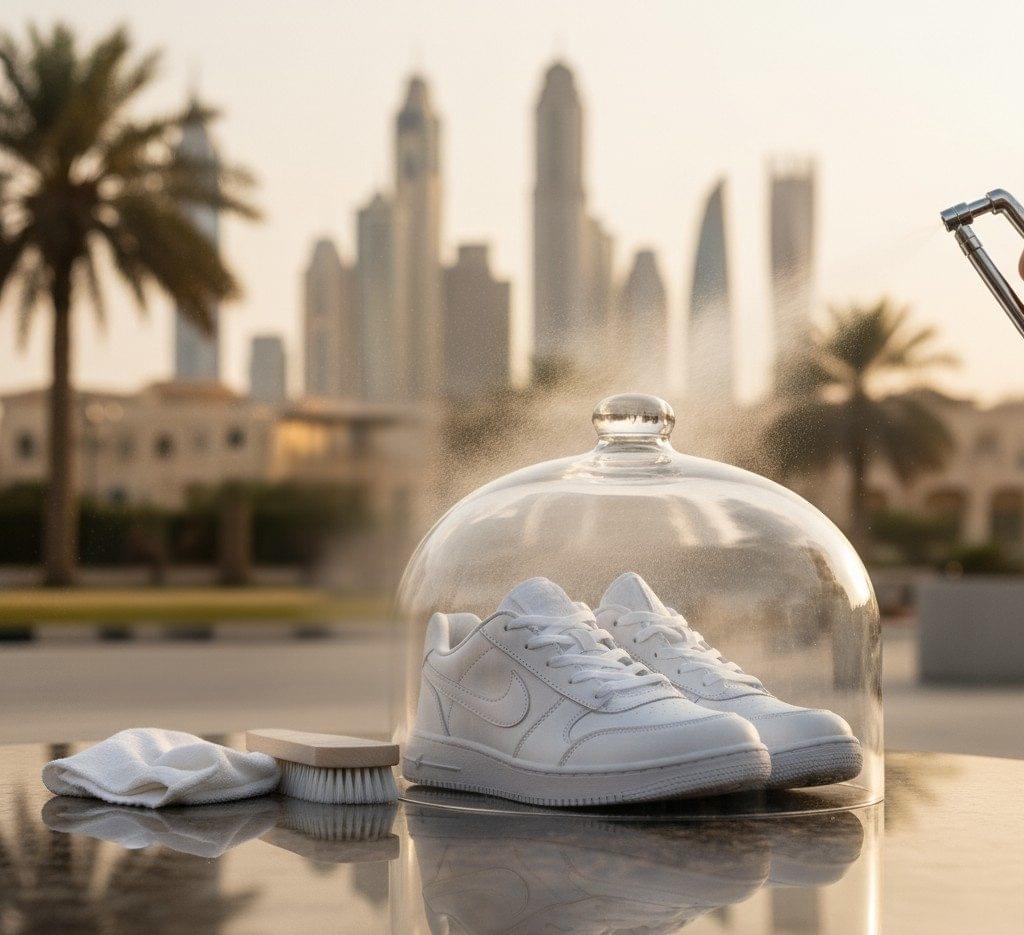
Blog Table of Contents How to Clean Sneakers in Dubai Sneakers are no longer just casual footwear—they’re a part of everyday style, gym routines, and even work life in Dubai. With so many people walking, commuting, and living fast-paced lifestyles, clean sneakers make a huge difference in appearance, comfort, performance, and hygiene. But Dubai’s extreme heat, constant dust, and high humidity make it harder to keep sneakers looking fresh. Whether you’re a busy professional, a parent dealing with messy school shoes, a student living alone, or someone who cares about fashion and hygiene, this guide will show you exactly how to clean sneakers in Dubai. And if life gets too busy, Just Clean Laundry is always ready to step in as your trusted sneaker-care specialist with professional cleaning and pickup/delivery anywhere in the city. What Damages Sneakers Most Before cleaning your sneakers, it helps to understand what’s actually ruining them. Dubai’s climate brings unique challenges: Heat Extreme temperatures cause discoloration, weaken adhesives, and increase odor buildup—especially in white sneakers. Humidity Moisture creates the perfect environment for bacteria, mold, and deep odors inside the sneaker lining. Sand & Dust Sneakers absorb fine Dubai sand quickly: Clogs mesh and knit fabric Causes abrasion Turns white shoes yellow Sweat Sweat and body oils soak into insoles and fabric, creating stubborn odors and stains that simple washing can’t remove. Why Professional Cleaning? Regular washing cleans the surface, but professional cleaning deep-cleans the inside, kills bacteria, removes sweat salts, and restores the shoe’s shape and color. How to Clean Sneakers in Dubai Step 1: Identify Sneaker Material Leather Needs gentle wipes + conditioning Suede Never use water-heavy cleaning Canvas Responds well to mild soap Mesh/Knit Must be cleaned gently to avoid stretching Rubber/Midsoles Ideal for whitening treatments Knowing your sneaker’s material avoids damage and ensures the right cleaning results. Step 2: Pre-Clean Dry Brushing Use a soft brush or old toothbrush to: Remove sand Dislodge dust Clear dry dirt from mesh and soles A microfiber cloth can help lift surface grime before using any liquid cleaner. Step 3: Stain Removal Techniques (Material-Safe) Here’s where most people need help—removing tough stains without damaging their sneakers. How to Clean Sneakers with Baking Soda? Mix baking soda with water (or peroxide for white shoes), apply gently, scrub lightly, and rinse. How to Clean White Canvas Shoes? Use mild soap + lukewarm water. Avoid harsh chemicals that cause yellowing. How to Clean White Leather Shoes? Use a gentle leather-safe cleaner or white toothpaste and a microfiber cloth. Never soak leather. How to Wash White Sneakers Without Yellowing? Avoid bleach. Use a baking soda + peroxide paste on the soles, and mild detergent on fabric. How to Clean Colored Shoes with Baking Soda? Skip peroxide. Use only baking soda + water to avoid color fading. Extra Stain Tips Mud Let it dry first before brushing Grass stains Dish soap + white vinegar mix Sweat stains Enzyme-based detergent Don’t forget: clean laces and insoles separately using warm soapy water. Step 4: Cleaning the Soles White midsoles usually need extra attention. Whitening Midsole Trick Use baking soda + peroxide paste or a sneaker whitening cream. Apply, leave for 10–20 mins, scrub, rinse. Anti-Yellowing for Rubber Soles Use 40-volume crème (professional-grade) but apply carefully. Avoid bleach—it turns white soles yellow permanently. Step 5: Proper Drying Process Dubai’s humidity makes drying tricky. Air-dry only Never place sneakers in direct sunlight Stuff shoes with tissue paper to maintain shape Allow full drying to prevent mold and odor White sneakers especially need shade drying to avoid yellowing. How to Get Odor Out of Shoes Naturally Smelly sneakers are extremely common in Dubai due to heat and sweat. Quick Fixes Daily wipe-down after use Sprinkle baking soda overnight Charcoal deodorizer packs Rubbing alcohol spray for instant odor removal If you’re wondering how to fix smelly shoes overnight, baking soda is your best bet. Long-Term Prevention Replace insoles every 2–3 months Use shoe trees to maintain airflow Allow drying time between wears Spray antibacterial mist weekly Rotate gym sneakers Material-Specific Sneaker Care Leather Sneakers Clean with mild soap Remove creases using a damp towel + iron (light steam) Apply leather conditioner Avoid long sun exposure (leather cracks) Suede Sneakers Use a suede brush + suede eraser Avoid water-heavy cleaning To make black suede shoes look new: brush in one direction + apply a restore spray Canvas Sneakers Soap + warm water Treat stains before washing Machine wash only in a gentle cycle (inside a laundry bag) Mesh & Knit Sneakers Use mild detergent Brush gently to avoid stretching Avoid hot water—mesh shrinks Rubber & Foam (Soles) Use whitening products 40-volume crème works but requires careful use Activate under mild sunlight (not harsh Dubai mid-day sun) Sneaker Protection & Prevention Strategies Use Water-Repellent Spray Dubai humidity + sweat = staining + odor. A water-repellent spray protects fabric from moisture. UV Protection Spray Prevents fading and yellowing in extreme sun. Crease Protectors & Shoe Trees A must for sneaker heads to maintain shape. Proper Storage Keep sneakers in a cool, dry space Avoid closed boxes in humid rooms Use silica gel packs to control moisture Kids’ Sneakers: Parent-Friendly Stain & Odor Tips Kids’ shoes get messy quickly.Here’s what works: Mild detergent for food and playground stains Baking soda inside the shoe to neutralize odor Magic eraser for scuff marks Regular weekly wipe-down For extremely dirty school shoes, professional cleaning saves time and restores hygiene. Common Sneaker Cleaning Mistakes Many people unintentionally damage their sneakers by: Using bleach → causes yellowing Soaking the entire sneaker in water Applying thick paint layers during restoration Cleaning after painting instead of before Leaving sneakers to dry in harsh sunlight Machine washing delicate materials without protection DIY vs Professional Sneaker Restoration When DIY Works Light stains Daily dust removal Regular deodorizing When Professional Care Is Better Suede sneakers Designer or limited-edition pairs Vintage sneakers Moldy or extremely smelly shoes Heat-damaged or yellowed soles What Just Clean Laundry Provides Deep washing Deodorizing Whitening
Simple habits that keep shirts looking new
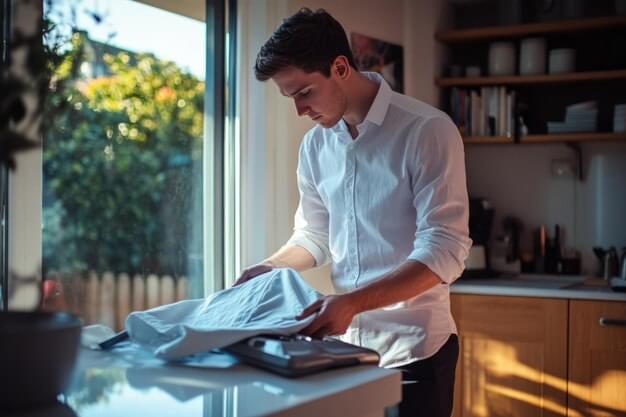
Blog Table of Contents How to Extend the Life of Your Favorite Shirts Keeping your favorite shirts fresh and stylish doesn’t require fancy tools — just a few smart habits. With the right washing, drying, and storage techniques, you can make each shirt last longer and look better. Short on time? Book our free pickup in Dubai, and our fabric experts will handle the gentle washing, stain removal, and professional finishing for you. Why Shirts Wear Out Shirts lose their shape, color, and softness for a few common reasons. Washing too often, using harsh detergents, or relying on high dryer heat can weaken the fibers. Poor storage — like hanging knits or keeping shirts in sunlight — can cause fading and stretching.Even small issues like loose buttons or tiny tears can turn into major problems if ignored. Fortunately, a few simple adjustments can make a big difference. Simple Habits to Keep Shirts Looking New Start with these quick, effective habits that help your shirts stay crisp and bright: Turn shirts inside out before washing to protect colors and prints. Wash only when necessary; spot clean light stains instead. Use a measured amount of gentle liquid detergent — never too much. Avoid bleach and frequent fabric softeners; both break down fibers. Air shirts out after wearing to remove odors and delay washes. Fix small issues early — reattach a button or trim a loose thread. Use mesh laundry bags for delicates and printed shirts to reduce friction. Washing: Simple Rules for Longer Life Proper washing helps maintain both the look and texture of your shirts. Use cold water for colored garments to prevent fading, and select the gentle or delicate cycle for thinner fabrics. Pre-treat stains instead of extending the wash time, and choose liquid detergents over powders to avoid residue. If you have sensitive skin, an eco-friendly, mild detergent is best for comfort and long-lasting fabric care. Drying: Air Is Best Heat is the biggest enemy of shirts. Whenever possible, air-dry them — it’s gentler on fabric and saves energy. Lay knits flat on a towel to prevent shoulder stretch. Hang button-downs on wide hangers to maintain shape. Keep dark colors out of direct sunlight to avoid fading. If you must use a dryer, use low heat and remove shirts while slightly damp. Hang them immediately and let them finish drying naturally. In compact Dubai homes, a well-ventilated drying spot helps prevent musty smells and overcrowding. Care by Fabric: Quick Guide Each shirt fabric needs its own care approach: Cotton Cold wash, reshape while damp, tumble dry on low if necessary. Linen Gentle wash, hang to dry, and iron while slightly damp. Silk & Delicates Hand wash or use a mesh bag; professional cleaning recommended. Sports Shirts Cold wash, no fabric softener, hang to dry. Printed Shirts Wash inside out on a gentle cycle and air-dry. Refresh Without a Full Wash You don’t need to wash shirts after every wear. Simply steam to remove wrinkles and odors, spot clean stains with mild soap, or air them out for a few hours. These simple steps save water, energy, and reduce fabric wear. Smart Storage Tips Store your shirts properly to maintain their shape and freshness. Fold knit shirts to prevent stretching, and hang dress shirts on padded or wide hangers to preserve their form. For long-term storage, use sealed boxes with cedar blocks or natural moth repellents, and keep shirts away from direct sunlight to avoid fading. Rotate your wardrobe regularly to let fabrics breathe and keep every shirt looking its best. Small Repairs That Make a Big Difference A little care can go a long way in extending the life of your favorite shirts. Replace loose buttons before they fall off — it’s one of the quickest ways to prevent further damage. If you notice small holes or snags, stitch them up right away to stop them from spreading. It’s also smart to reinforce seams on cuffs and collars when they begin to loosen, as these areas experience the most wear. These simple fixes take only minutes but can add months — even years — to your shirt’s lifespan. Simple Habits That Help the Planet Caring for your shirts is also a win for the environment. Wash less often, use cold water, line-dry when possible, and switch to eco-friendly detergents. You’ll reduce water use, energy consumption, and textile waste — all while keeping your wardrobe fresh. When to Bring Shirts to a Professional Leave shirt care to the experts for: Tough stains (oil, ink, wine) Delicate or tailored fabrics Professional pressing for events In Dubai, book our free pickup for gentle washing, stain removal, and expert finishing — with same-day options available. Smart Moves Right After Washing After washing, reshape damp shirts before drying to maintain their structure and minimize wrinkles. Hang structured shirts and fold knits to prevent stretching. Check for loose buttons or threads and fix them early to keep shirts in top condition. Small changes add up. Cold washes, gentle drying, and quick repairs keep your shirts looking new — saving you time, money, and effort. Too busy to do it yourself? Let Just Clean handle it with expert washing and professional finishing. Book Free Pickup in Dubai with Just Clean Laundry Book Now Latest Blog Common Mistakes People Make When Caring for Linen Bedding Stain Removal Tips for Clothes Why Eco-Friendly Laundry Matters in Dubai’s Climate Sneaker Rescue: Restore Look and Performance Simple habits that keep shirts looking new Looking for a laundry service in Dubai? Call to Schedule!